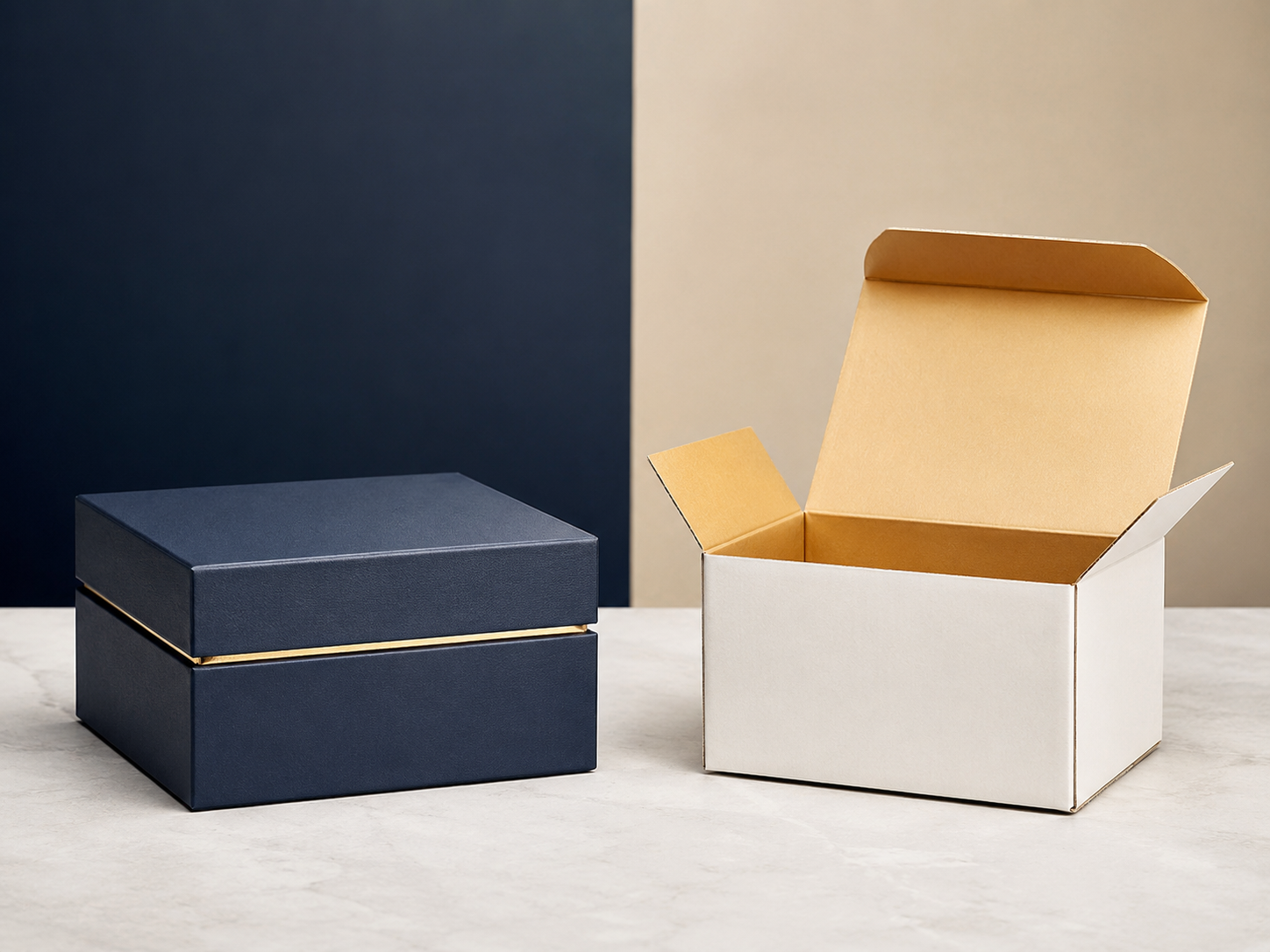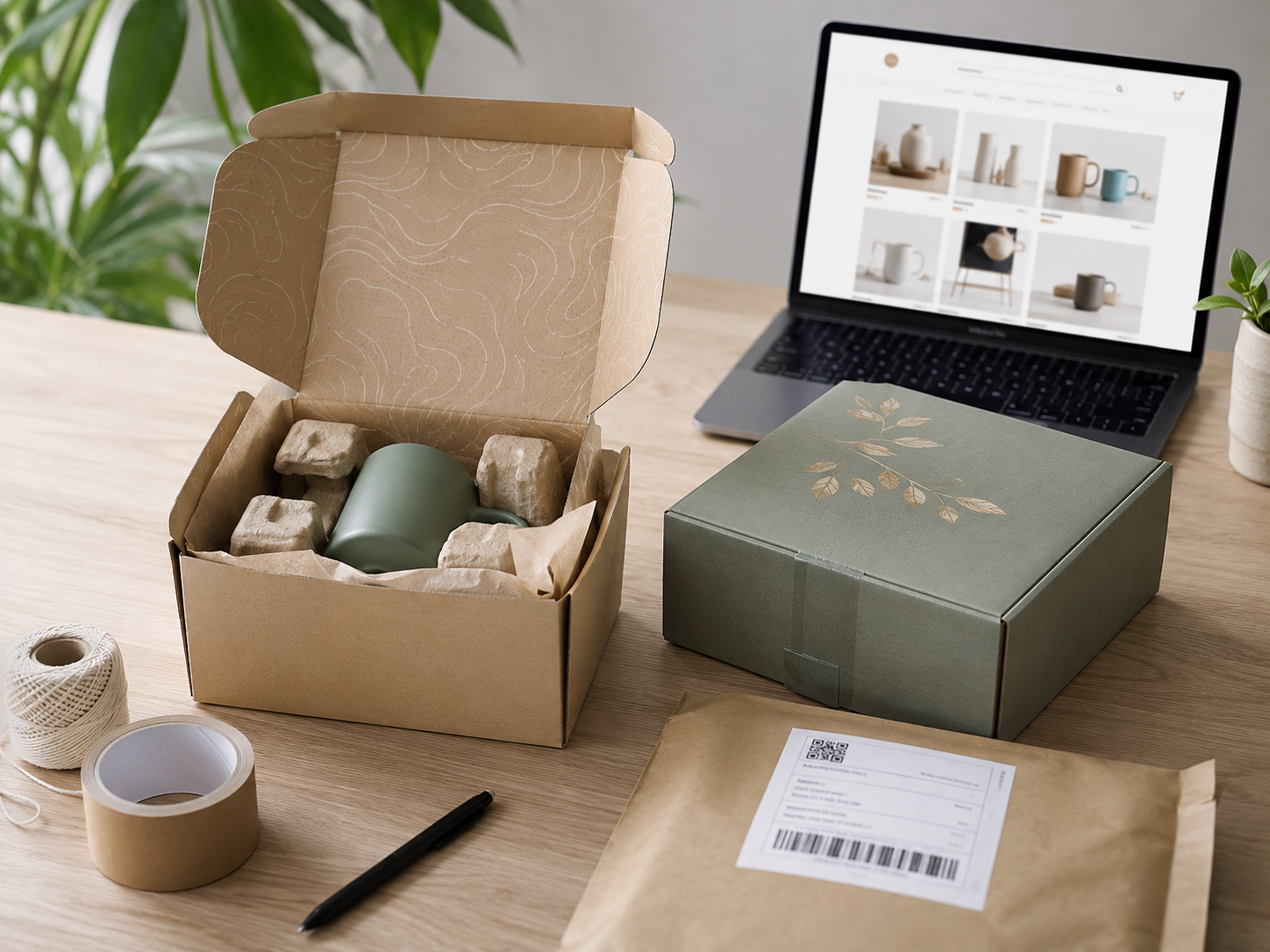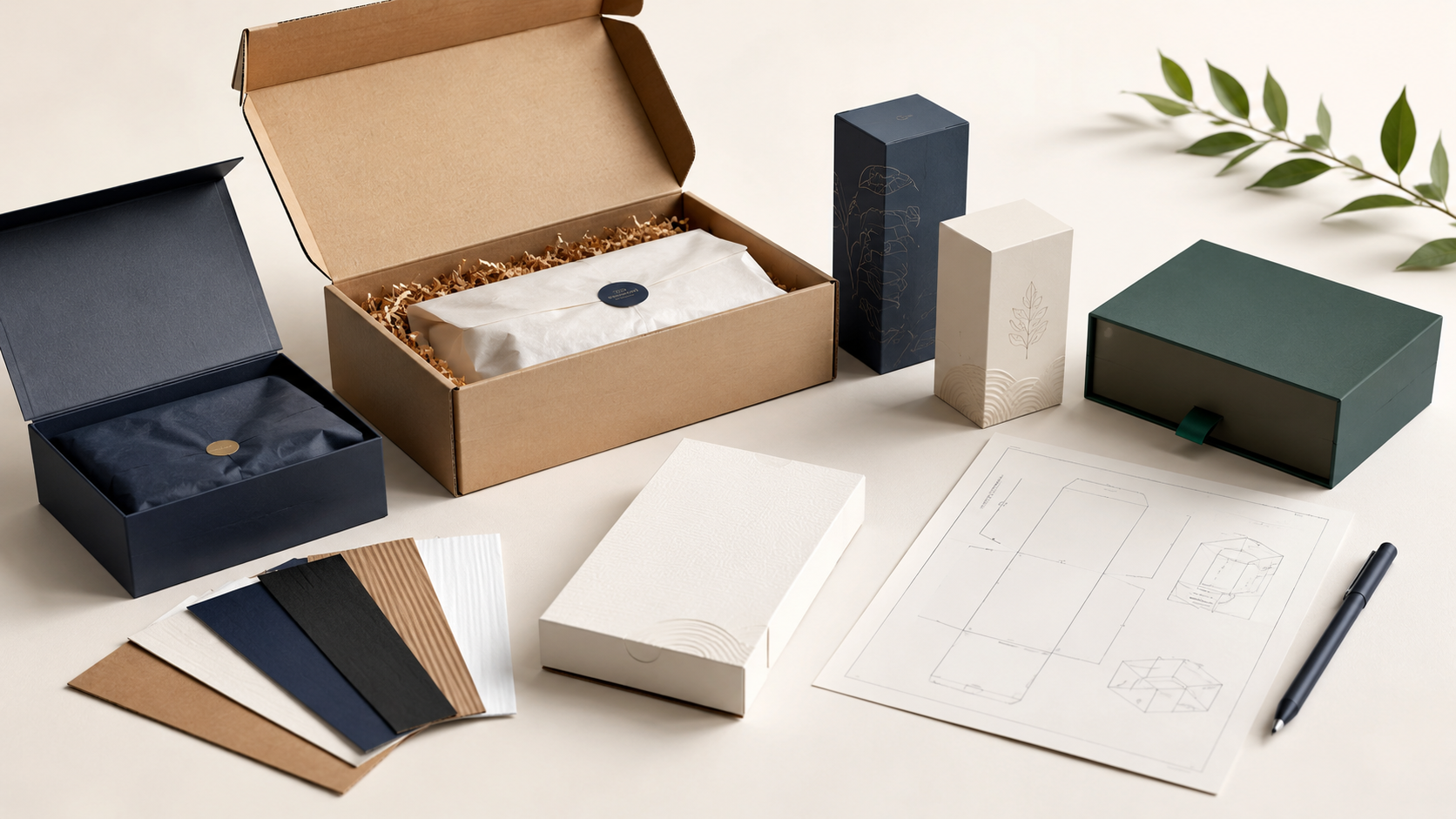
Custom packaging is one of the most powerful tools a brand has at its disposal. Beyond merely protecting a product during transit, packaging serves as a silent salesperson — it communicates your brand values, quality standards, and personality before a customer even opens the box. Whether you are launching a new product line or rebranding an existing one, understanding the fundamentals of custom packaging will help you make smarter, more cost-effective decisions.
Material selection is the foundation of any packaging project. The most common materials include SBS (Solid Bleached Sulfate) cardboard, ideal for cosmetic and food retail boxes; corrugated cardboard, preferred for shipping applications; kraft paper, which appeals to eco-conscious brands; and rigid board, used for premium luxury packaging. Each material offers a different balance of cost, printability, durability, and sustainability. Working with a knowledgeable supplier ensures you choose the right stock weight and coating for your specific product requirements.
Printing and finishing options dramatically impact how your packaging looks and feels in the hands of a customer. Offset printing delivers the highest color accuracy for large print runs, while digital printing is cost-effective for shorter runs and variable data. Finishing techniques such as matte or gloss lamination, spot UV coating, foil stamping, embossing, and debossing add tactile and visual appeal that elevates perceived value. A thoughtful combination of printing method and finishing can transform a simple cardboard box into a memorable brand experience that drives repeat purchases and word-of-mouth referrals.